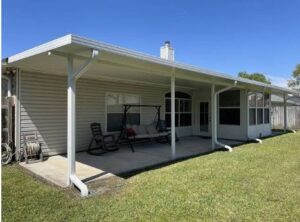
Insulated Patio Roofing Panels: Benefits for Outdoor Areas
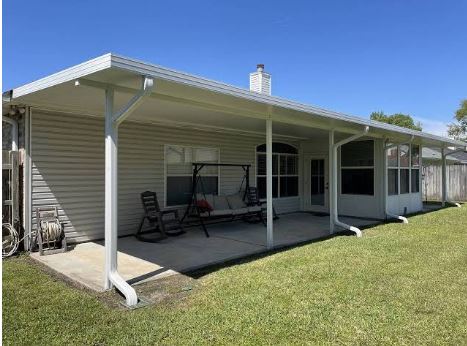
Outdoor patios provide valuable space for dining, relaxing, entertaining guests, and spending time with family. However, strong sunlight, rainfall, and changing temperatures can make these areas uncomfortable. Insulated patio roofing panels provide shade, reduce heat transfer, and offer protection against different weather conditions. Their layered construction helps improve outdoor comfort while complementing existing property designs. Choosing suitable panels can make patios more practical for regular use throughout the year.

What Are Insulated Patio Roofing Panels?
Insulated patio roofing panels usually consist of two metal sheets surrounding an insulating core. This construction slows heat transfer through the roof and can reduce rainfall noise. Panels come in different thicknesses, colours and finishes to suit various patio designs. Their performance depends on the insulation material, panel specifications, installation quality, and local conditions. Unlike adjustable roofing, these panels provide fixed overhead coverage.
What Are the Main Benefits of Insulated Patio Roofing?
Insulated roofing offers advantages for patios exposed to sunshine and changing weather. Alongside providing shelter, it can improve comfort and protect areas used for dining or relaxation.
The main benefits include:
- Reduced Heat Transfer: The insulating core limits heat passing through the roof, reducing overhead heat during warm weather.
- Reliable Shade: Solid panels provide consistent shade for seating areas, tables and outdoor furniture.
- Less Rainfall Noise: The insulated construction can soften the sound of rain hitting the roof.
- Weather Protection: Properly installed panels shelter covered areas from direct sunlight and rainfall.
- Design Choices: Available colours and finishes help the roof complement existing architectural features.
These benefits vary with panel specifications, patio orientation, and installation. Open sides and surrounding surfaces also influence how comfortable the area feels.
How Does Insulated Roofing Improve Outdoor Comfort?
Conventional single-skin metal roofing can become hot in direct sunlight and transfer heat into the covered area. Insulated panels reduce that transfer, helping limit heat radiating downwards towards people sitting beneath the roof. In cooler conditions, insulation also slows heat movement through the panels. However, an open patio remains exposed to outside air, so the roof cannot maintain indoor temperatures. Shade, ventilation, humidity, and wind all affect comfort.
How Can Insulated Roofing Improve Everyday Patio Use?
A comfortable covered patio can support family meals, weekend gatherings, and quiet relaxation. Shade reduces direct sun exposure on dining furniture, while rain protection lets some activities continue during showers. Reduced rainfall noise may also make conversations easier. The roof can help protect suitable outdoor furniture from direct sun and rain, although wind-driven moisture can still reach open sides.
Homeowners can combine the roof with screens or louvre doors to improve privacy and adjust airflow. Such additions should suit the available space, ventilation needs, and building requirements. They complement the roof rather than replace its insulating function.
Where Can Insulated Patio Roofing Be Used?
Insulated panels can suit several outdoor settings when the supporting framework and drainage arrangements are appropriate. The intended use helps determine the required roof dimensions and specifications.
Common applications include:
- Patios: Provide shade and protection from rain for outdoor dining and relaxation.
- Pergolas: Add fixed coverage to frameworks designed to support roofing panels.
- Outdoor Kitchens: Shelter preparation areas while maintaining suitable ventilation around cooking equipment.
- Entertainment Areas: Cover seating spaces used for gatherings and social activities.
- Poolside Seating: Create shaded areas for resting out of direct sunlight.
Check existing structures before adding roofing. Use suitable supports, fixings and drainage for safe, reliable performance.
What Should Homeowners Consider Before Installation?
Choosing insulated roofing requires more than an eye for aesthetics. Roof dimensions, local weather and the existing framework affect which panels and installation methods are suitable.
Before proceeding, consider these checks:
- Structural Capacity: Confirm the framework can carry the roof and withstand relevant wind loads.
- Panel Selection: Match insulation thickness, materials and protective finishes to local conditions.
- Drainage: Ensure the roof pitch, gutters and outlets are designed for effective rainwater removal.
- Approvals: Check council requirements and applicable Australian building regulations before work begins.
- Costs: Request an itemised quote covering materials, installation and optional features.
A qualified installer can assess the site and identify potential problems early. Correct fixing, sealing and drainage help the completed roof perform as intended.
Conclusion
Insulated patio roofing panels offer several benefits for outdoor areas, including reduced heat transfer, consistent shade, lower rainfall noise and improved weather protection. They help create more comfortable spaces for dining, entertaining guests and everyday relaxation. Before installation, choose suitable materials, check structural requirements, and ensure proper drainage. With careful planning and professional installation, homeowners can create a practical, attractive patio that suits their property’s design and local climate.