How Better Packaging Can Help Small Brands Build a Stronger Identity
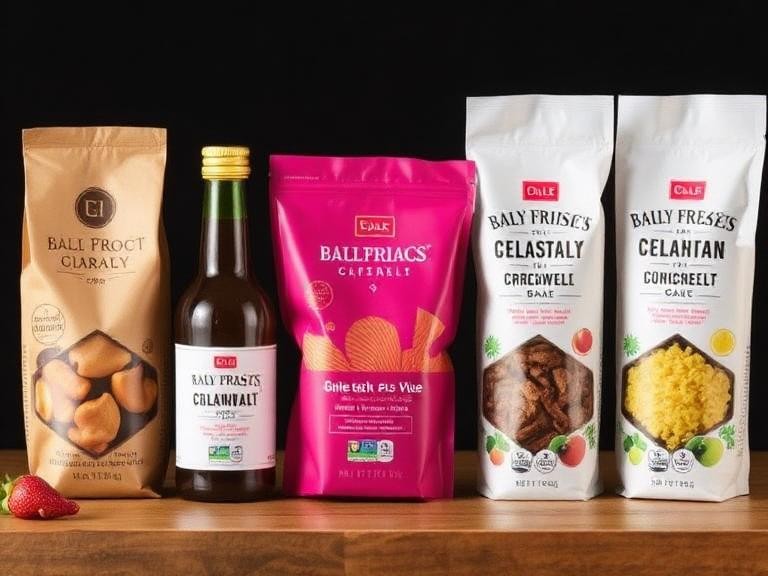
There was a time when packaging existed for one reason only: to get a product from point A to point B without it breaking. That job hasn’t gone away, but it’s no longer the whole story. Today, packaging is often the first physical touchpoint a customer has with a brand, and for small businesses trying to compete against bigger, better-funded competitors, that touchpoint matters more than most people realize.

A small skincare company doesn’t need a national ad campaign to make a strong impression. It needs a box that looks intentional, feels considered, and tells the customer something about who made it. That’s the shift this article is about: how packaging quietly became one of the most effective branding tools available to small and growing businesses.
Packaging Is More Than Protection
Ask most consumers what packaging is for, and they’ll say it keeps the product safe. That’s true, but it’s incomplete. Packaging is also where a brand gets to introduce itself before the customer has even opened the box.
Think about the difference between receiving a product in a plain, unmarked shipping box versus one with a printed logo, a thoughtful color scheme, and a bit of tissue paper inside. The product might be identical. The experience is not. Customers form impressions fast, often within seconds, and packaging is doing a lot of that communication work before a single word of marketing copy is read.
For small brands, this is an opportunity rather than a burden. You don’t need a massive budget to create packaging that feels deliberate. You need a clear sense of who your brand is and packaging choices that reflect it consistently.

How Packaging Influences Brand Perception
Packaging shapes perception in several specific ways, and understanding each one helps explain why it deserves attention early in a business’s growth.
First impressions. Whether a package arrives at someone’s doorstep or sits on a retail shelf, it’s often the first physical interaction a customer has with the brand. A clean, well-designed exterior signals that care went into the product itself.
Professional appearance. Generic or mismatched packaging can make even a great product feel like an afterthought. Custom packaging boxes, even simple ones, tend to read as more established and trustworthy.
Perceived value. People associate presentation with quality. A candle in a sturdy, well-printed box feels more premium than the same candle in a flimsy bag, even if the wax and scent are identical.
Brand consistency. When packaging colors, fonts, and materials match a brand’s website and social presence, it builds familiarity. Customers start to recognize the brand visually, which matters long before they read a single review.
Customer expectations. Once a brand sets a packaging standard, customers expect it to continue. This is useful, because it gives repeat buyers something consistent to look forward to, but it also means quality shouldn’t slip once it’s established.
Custom Packaging Can Help Small Businesses Stand Out
Larger companies often rely on scale and advertising budgets to stay visible. Small businesses generally can’t compete on that level, but they can compete on distinctiveness, and packaging is one of the more accessible ways to do it.
A small business that invests in custom packaging boxes, even at a modest scale, creates a visual signature that’s hard for bigger, more generic competitors to replicate quickly. Think of a local coffee roaster with hand-stamped bags versus a mass-market brand with identical tins across every grocery store. The roaster’s packaging feels personal, and that feeling becomes part of the brand’s identity.
This doesn’t require reinventing packaging design from scratch. Many small businesses start with a solid base, such as a standard box or mailer, and add branded elements like custom printing, tape, or inserts. Companies like BoxyPack, which work with smaller brands on custom packaging solutions, have made this kind of incremental branding more accessible than it used to be, without requiring the large minimum orders that once made custom packaging feel out of reach.
The Connection Between Packaging and Customer Experience
Unboxing has become a genuine part of the customer journey, not just a marketing buzzword. The moment someone opens a package is often the moment their opinion of a brand solidifies.
Good packaging design considers a few things at once. It should protect the product properly, since a beautifully designed box that arrives with a cracked item inside does more harm than plain packaging ever would. It should also be easy to open, which sounds minor but genuinely affects how people feel about the experience. Fighting with excessive tape or packaging materials that don’t fit the product properly is frustrating, and frustration doesn’t build loyalty.
There’s also an emotional layer here. A package that feels considered, with a handwritten note, a small thank-you card, or thoughtful presentation, can create a moment of delight that a purely functional box never will. That feeling sticks with customers, and it’s often what gets mentioned in reviews.

Packaging as a Marketing Tool
Packaging doesn’t just support marketing efforts. In many cases, it becomes one directly.
Distinctive packaging encourages social media sharing. Customers photograph boxes that look good, especially when unboxing content performs well on platforms like Instagram and TikTok. A brand doesn’t need to plan a viral moment. It just needs packaging that photographs well and feels worth sharing.
Word-of-mouth recommendations often start with physical experiences, and receiving a beautifully packaged product is a natural conversation starter. Repeat purchases also tie back to packaging, since a positive unboxing experience reinforces the decision to buy again. Brand recognition builds over time as customers see the same colors, logo placement, and design language across every order. And customer loyalty, while influenced by many factors, gets a meaningful boost from packaging that consistently makes people feel good about their purchase.
None of this requires elaborate design. Consistency and thoughtfulness go further than complexity.
Sustainable Packaging and Modern Consumer Expectations
Consumers, particularly younger ones, increasingly factor sustainability into their purchasing decisions. This doesn’t mean every small business needs to overhaul its entire supply chain, but it does mean packaging choices are being noticed more closely than before.
Sustainable packaging can take several practical forms. Recyclable materials, reduced use of plastic, right-sized boxes that avoid excess filler, and printing methods that use fewer harsh chemicals are all reasonable starting points. Reducing unnecessary packaging, such as skipping extra layers that don’t serve a functional purpose, also cuts costs while appealing to environmentally conscious buyers.
Sustainability doesn’t have to be treated as a separate initiative. For many brands, it becomes part of their identity, communicated through simple messaging like “recyclable packaging” printed directly on the box, or a short note explaining material choices. This approach feels authentic rather than performative, especially when it’s paired with genuine changes rather than vague claims.

Packaging Ideas for Different Types of Small Businesses
Packaging needs vary significantly by industry, and what works for one type of product often doesn’t translate to another.
E-commerce businesses benefit from mailer boxes or shipping boxes with branded interiors, since the inside of the box is often the biggest design opportunity when the exterior needs to stay simple for shipping efficiency.
Fashion brands often use tissue paper, branded stickers, and garment bags to elevate what might otherwise be a plain poly mailer.
Beauty companies tend to focus on smaller, more premium packaging, since skincare and cosmetics are closely tied to perceived luxury and self-care.
Jewelry businesses rely heavily on small boxes, pouches, and inserts that protect delicate items while reinforcing a sense of preciousness.
Food brands need packaging that balances freshness and safety with visual appeal, often through clear labeling and food-safe materials.
Gift businesses benefit from packaging that feels ready to give, since presentation is often part of the product itself.
Handmade product sellers often use packaging to convey authenticity, sometimes through kraft paper, twine, or minimalist design that reflects the handcrafted nature of the product.
Practical Tips for Creating Better Brand Packaging
For small business owners looking to improve their packaging without overspending, a few practical steps make a real difference.
Start with materials that match the product’s needs. Fragile items need sturdier protection, while lightweight goods can use thinner, more cost-effective options.
Keep branding consistent across every touchpoint, from the box itself to any inserts or tape. Mismatched branding undercuts the professional feel packaging is supposed to create.
Use colors strategically. A brand’s color palette should be recognizable at a glance, and packaging is a chance to reinforce it repeatedly.
Choose box sizes that fit the product properly. Oversized boxes waste money on shipping and filler material, while undersized ones risk damaging the product.
Always prioritize protection during shipping. No amount of good design compensates for a product that arrives broken.
Balance design ambition with budget reality. Custom packaging boxes don’t need elaborate finishes to look professional. Clean design, good print quality, and thoughtful layout often outperform overly complex packaging.
Add personalized details where possible, such as a handwritten note or a small discount code for the next order. These small touches often have an outsized impact on customer perception.
Finally, avoid unnecessary packaging. Extra layers that don’t serve a functional or branding purpose add cost and waste without improving the experience.
Final Thoughts
Packaging has moved well beyond its original role of simply keeping products intact during transit. For small businesses, it now functions as a form of branding, a marketing channel, and a meaningful part of the overall customer experience.
The brands that get this right treat packaging design as seriously as they treat product quality or customer service, understanding that all three work together to shape how customers perceive the business. This doesn’t require unlimited budgets or elaborate production runs. It requires intention, consistency, and a willingness to think of packaging as an extension of the brand rather than an afterthought.
Effective packaging ultimately comes down to combining protection, presentation, functionality, and identity into one cohesive experience. For small brands working to build recognition and loyalty in competitive markets, that combination can make a genuine difference.