Why Are Expert Lift Modernisation Services Gaining Industry Attention?
The movement of people in and out of urban built spaces is rapidly changing, as is the urban built space itself. Installed lift systems are no longer performing to today’s standards. Installed lift systems do not perform as well as expected today. Some problems, like slower speed, irregular maintenance cycles and safety restrictions, are becoming more common. Consequently, the building owner’s view is more on the horizon of long-term infrastructure design and planning than on short-term infrastructure repair cycles to ensure operational stability.
To meet these challenges, many property managers are beginning to seek solutions to the problems they are facing by employing modern engineering upgrade methods to enhance existing elevator systems rather than replacing them. The services centre on optimizing control systems, mechanical systems and safety aspects without any changes to the original structure. The expert lift modernisation services enable buildings to become more efficient, more reliable and conform more to current safety codes. Thus, modernization is emerging as an important approach in the management of urban infrastructure.
Understanding Expert Lift Modernisation Services
Core Modernisation Scope
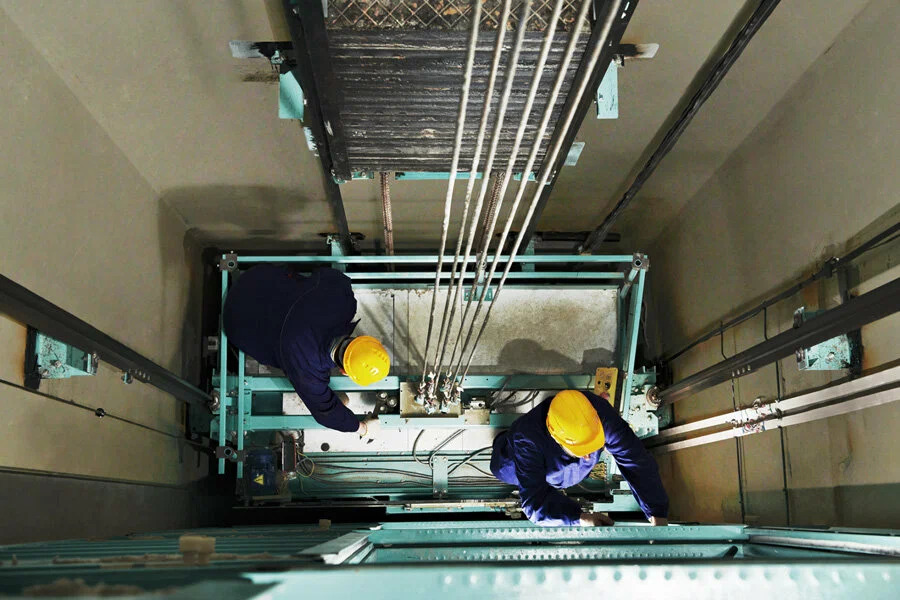
For the modernisation of the lift, the experts work on the modernization of the main parts of the lift and keep the existing structure intact. This encompasses control systems, motors, wiring and cabin enhancements. The objective was to enhance the performance but not replace the entire system.
System Evaluation Approach
All modernisation is preceded by a detailed inspection. Engineers test the performance, safety issues and mechanical condition of a system. From this analysis, plans are developed for upgrading the buildings, based on the building’s needs.
Often, the replacement of the elevator with expert lift modernisation services is a more affordable solution than a complete elevator replacement. This allows them to be used in commercial and residential buildings.
Ageing lift systems are creating operational pressure.
After years of operation, older lift systems may exhibit decreased performance. The varying speeds and mechanical wear add up over time, creating maintenance requirements.
Regularly, breakdowns can derail building processes, particularly in workplaces with high volumes of visitors like offices and hospitals. This decreases the efficiency of the operation.
Energy consumption is also higher due to the inefficient use of energy by the old systems compared to the modern systems.
Why Building Owners Are Rethinking Lift Infrastructure
Older systems continue to have higher maintenance. Parts are increasingly difficult to obtain, and repair rates are raised.
Expectations of tenants are also a very important part. Reliability of lift performance has a significant impact on building value and user satisfaction. Consequently, long-term planning has been integrated into strategies to remedy repairs in many properties.
Engineering Improvements Driving Modern Lift Systems
The systems are upgraded to the modern style for better speed control, ride and system reliability. Advanced motors minimize vibration and provide smooth operation. The use of energy-efficient parts of the system also cuts down on operating expenses. This will help with the long-term running efficiency of the building. Modernization extends system life, and the wear and tear is greatly reduced.
Technology Shaping Modern Lift Systems
Digital Monitoring Systems
New lifts feature real-time monitoring to monitor and alert to performance issues or faults. These systems gather operational data from sensors, which are placed in critical mechanical and electrical parts, on a continuous basis. This enables the engineers to pick up on the irregular patterns and prevent them turning into large scale failures. Additionally, it enhances system reliability in high-traffic areas with buildings where downtime is critical.
Smart Building Integration
Buildings are becoming more and more integrated with centralized building management systems for effective coordination with lift systems. The integration makes it possible for the facility managers to keep an eye on several building systems from a single dashboard. It also enhances the ability to communicate between elevators, security systems and energy management systems. This allows for more organized building operations and real-time control of operations.
Energy Optimization Features
Regenerative systems minimize losses of energy and enhance all aspects of efficiency in everyday use. These systems will store unused energy when the elevator is moving and return the energy to the building power system. This makes the total power usage lower and helps to manage costs over time. Safe and sound, it also fits in with the contemporary sustainability targets in commercial and residential projects.
Choosing a Reliable Modernisation Provider
It is essential to have engineering knowledge in choosing a provider. Correct technical expertise helps to guarantee that the system is updated correctly and safely.
Another factor is compliance with the safety regulations. This helps to minimize risks and legal compliance.
Many property owners opt for providers who could do the expert lift modernisation service along with long-term maintenance services.
Industry Outlook for Lift Modernisation
Demand for new and improved lifts is still on the rise as a result of ageing infrastructure and increasing urban density.
The use of smart buildings is growing, too. An increasing number of systems are incorporating digital control and monitoring technologies.
Energy-efficient systems are also becoming the norm in modern buildings, driving up the adoption of sustainability targets.
Conclusion
Today, lift systems are a fundamental component of building performance, safety and daily operation in modern infrastructure. With the passage of time and the growing number of buildings being used, the need for structured improvement is still growing. A practical solution to improve the efficiency, safety and reliability of your lifting system without replacing the whole thing is offered by expert lift modernisation services . The transformation is in response to operational stability and astute infrastructure planning in both commercial and residential settings for the longer term.
FAQs
How do Expert Lift Modernisation Services work?
Expert lift modernisation services are those that involve the upgrading of important elevator systems but do not require the disassembly of the main structure. These services help to enhance the performance, safety, and efficiency of the system by making targeted upgrades to the components. They are commonly used in older structures where it is impractical to replace the whole structure.
Why can’t lifts be repaired?
Repairing just a problem is a solution; modernising is an improvement to the system. Older lifts tend to break down again and again and have restrictions on safety. Modernisation is about long-term performance, reliability and compliance needs.
What is the duration of the modernisation of the lift?
Time involved will be dependent on building size and complexity of lift system. Smaller projects may only take a few days; larger projects will take longer. With proper planning, there will be minimal disruptions during installation.
Would modernised lifts be more energy efficient?
Yes, with modernised lifts, the energy they use is reduced due to the use of advanced motors and control systems. Regenerative technology can also help to achieve reuse of power in operation. This results in reduced electricity consumption and sustainability.