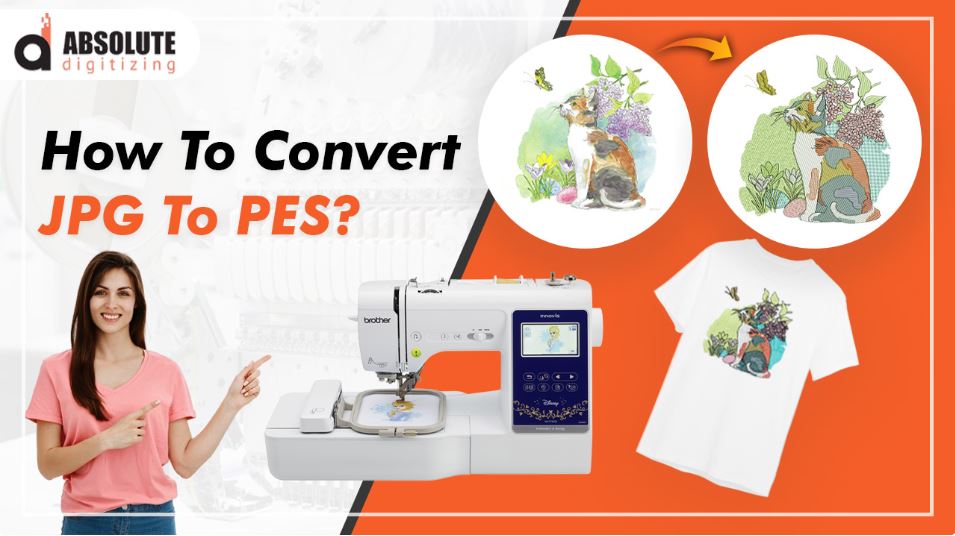
Transform Any Image into a Brother PES Stitch File Quickly
Turning an image into a Brother PES stitch file may sound hard, but it is not. With the right steps, you can do it fast and get clean results. Many people think it is just one click, but that is not true. Good embroidery needs the right method and careful work.
If you want a quick start, many people try tools like Convert JPG to PES. These tools can help, but they do not always give perfect results. To get clean and sharp embroidery, you must understand the full process. In this guide, I will explain everything in a very simple way.
What Is a PES File?
A PES file is used by Brother embroidery machines. It tells the machine how to stitch your design.
What It Includes:
- Stitch path
- Thread color order
- Design structure
Without this file, your machine cannot stitch the design.
Why Image Conversion Is Important
A normal image is not ready for embroidery. It has pixels, not stitches.
Key Difference:
- Image = pixels
- PES file = stitches
So, you must convert the image into stitch data. If you skip steps, the result will be poor.
Common Problems in Conversion
Many beginners face issues when converting images.
Blurry Stitching
The design looks unclear.
Thread Breaks
Wrong settings cause thread to snap.
Bad Shape
Design loses its original form.
Color Issues
Thread colors do not match the image.
These problems happen due to poor digitizing.
Step-by-Step Guide to Create PES File
Let’s break the process into simple steps.
Step 1: Select a High-Quality Image
Start with a clear image.
Tips:
- Use high resolution
- Avoid blur
- Keep design simple
Good input gives good output.
Step 2: Open Digitizing Software
You need embroidery software.
What It Does:
- Converts shapes into stitches
- Controls stitch flow
- Creates machine file
Choose software that allows manual editing.
Step 3: Trace the Image
Now trace your design.
Focus On:
- Clean edges
- Proper shape
- Clear outlines
This step builds the base of your design.
Step 4: Choose Stitch Types
Different parts need different stitches.
Types:
- Satin stitch → for text
- Fill stitch → for large areas
- Run stitch → for details
Using the right stitch improves quality.
Step 5: Set Stitch Direction
Direction controls how stitches flow.
Benefits:
- Adds depth
- Improves look
- Reduces stress on fabric
Follow the natural shape of your design.
Step 6: Adjust Stitch Density
Density means how close stitches are.
Balance:
- Too high → fabric damage
- Too low → weak design
Always test your settings.
Step 7: Add Underlay
Underlay is the base layer.
Why It Matters:
- Holds fabric
- Improves stitch quality
- Prevents shifting
Never skip underlay.
Step 8: Plan Pathing
Pathing is stitch order.
Good Pathing:
- Less thread jump
- Smooth stitching
- Clean finish
Think like a machine when planning.
Step 9: Export as PES File
Now save your file.
Check:
- Correct format
- No missing parts
- Clean design
Your file is now ready.
Step 10: Test the Design
Always test before final use.
Check:
- Stitch quality
- Shape accuracy
- Thread flow
Fix errors before production.
Tips for Fast Conversion
Speed is good, but quality is better.
Keep Design Simple
Simple designs convert faster.
Use Clean Lines
Clear shapes give better results.
Limit Colors
Fewer colors make the process easy.
Test Small First
Always test a sample.
Manual vs Auto Digitizing
Let’s compare both methods.
Auto Tools
- Fast
- Easy
- Low control
- Poor quality
Manual Digitizing
- Takes time
- Full control
- High quality
For professional results, manual is best.
Real Experience Insight
From real work, most issues come from bad files. Many people think their machine is faulty. But the real problem is poor digitizing.
When you use a well-made PES file, the difference is clear. Stitches look smooth. Shapes stay correct. Threads do not break.
This is why many users trust experts.
When to Use Professional Services
Sometimes, it is better to get help.
You Should Outsource If:
- Design is complex
- You need fast delivery
- You want perfect quality
Experts like absolute Digitizing-Embroidery Digitizing Services in USA can handle all technical work.
Benefits of Expert Digitizing
Working with experts has many advantages.
High Quality
Every detail is handled properly.
Fast Delivery
You save time.
Less Errors
Good files reduce machine issues.
Consistent Output
Every design looks professional.
Many businesses trust absolute Digitizing-Embroidery Digitizing Services in USA for reliable results.
Common Mistakes to Avoid
Avoid these to improve your work.
Skipping Underlay
Leads to unstable design.
Wrong Stitch Type
Causes poor finish.
Low-Quality Image
Bad input gives bad output.
No Testing
Always test your file.
How to Improve Your Skills
Practice helps you grow.
Simple Tips:
- Start small
- Learn stitch basics
- Test different settings
- Keep improving
With time, your work will get better.
Best Practices for Clean Results
Follow these tips.
Use Right Fabric
Fabric affects stitching.
Pick Correct Needle
Needle size matters.
Match Thread Colors
Use close shades.
Maintain Machine
Clean machine works better.
Build Trust with Quality Work
If you want clients, focus on quality.
Do This:
- Deliver clean files
- Test designs
- Keep clear communication
Companies like absolute Digitizing-Embroidery Digitizing Services in USA build trust by providing consistent quality.
Final Thoughts
Transforming an image into a Brother PES file is simple if you follow the right steps. Start with a good image. Use proper tools. Focus on stitch type, density, and pathing.
Always test your work. Avoid shortcuts. Quality matters in embroidery.
If you want fast and perfect results, working with experts is a smart choice. In the end, clean embroidery always stands out.
Keep learning. Keep practicing. And your results will improve every day.