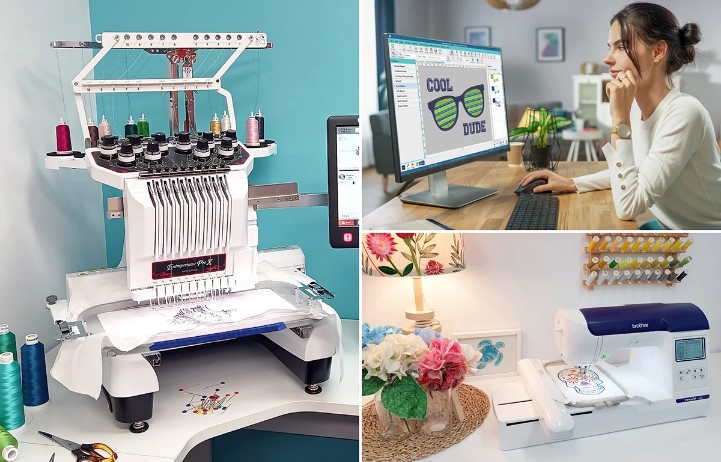
How Professional File Preparation Improves Embroidery Quality
Embroidery quality depends on more than just a good machine. Clean stitching starts with proper file preparation. A well-prepared file helps embroidery machines create smooth lines, neat text, and balanced designs on fabric.
Many people try to convert jpg to pes files quickly without understanding how embroidery files work. A simple image is not always ready for embroidery. Machines need properly prepared stitch files to create clean and professional results. Poor file setup can lead to thread breaks, uneven stitching, and messy designs.
Professional file preparation helps embroidery machines run better and produce stronger results. It also saves time, reduces mistakes, and improves the final appearance of logos and artwork.
In this guide, we will explain how file preparation improves embroidery quality and why it is an important part of every embroidery project.
What Is Embroidery File Preparation?
Embroidery file preparation is the process of turning artwork into a machine-ready embroidery design.
This process includes:
- Cleaning the artwork
- Adjusting design details
- Setting stitch types
- Choosing stitch paths
- Balancing stitch density
- Saving the file in the correct format
Every embroidery machine needs instructions before stitching. These instructions come from the embroidery file.
It Is More Than Image Conversion
Many people think embroidery files are made by simply changing the file format.
That is not true.
Embroidery files must be carefully built so machines know how to stitch the design correctly.
Proper Preparation Improves Results
Well-prepared files help machines stitch smoothly and reduce problems during production.
This creates cleaner embroidery and stronger designs.
Why File Preparation Matters in Embroidery
Good embroidery starts with a good file.
Even expensive embroidery machines cannot fix a poorly prepared design.
Clean Files Create Clean Stitching
Proper file setup helps stitches stay even and balanced.
This makes logos and artwork look sharper.
Bad Files Cause Machine Problems
Poorly prepared designs may create:
- Thread breaks
- Uneven stitching
- Gaps in the design
- Fabric puckering
- Extra trims
These issues affect both quality and production speed.
Good Files Save Time
Professional embroidery files run more smoothly on machines.
This reduces machine stops and improves workflow.
How Artwork Quality Affects Embroidery
The quality of the original artwork is very important.
Blurry or low-quality images often create problems during digitizing.
Clear Artwork Gives Better Results
Sharp logos and clean shapes are easier to prepare for embroidery.
Good artwork helps digitizers create smoother stitch paths.
Small Details May Need Changes
Tiny text and thin lines may not stitch well on fabric.
Professional file preparation adjusts these details carefully.
Simple Designs Often Stitch Better
Bold and clean designs usually produce better embroidery results.
Complex artwork may need simplification before stitching.
Choosing the Right Stitch Types
Different stitch types are used for different parts of a design.
Professional file preparation helps choose the best stitch style for each area.
Satin Stitches for Text
Satin stitches work well for letters and borders.
They create smooth and shiny results.
Fill Stitches for Large Areas
Large sections of a logo often use fill stitches.
These stitches cover space evenly and keep the design balanced.
Running Stitches for Fine Details
Small lines and detail work often use running stitches.
These stitches help avoid bulky embroidery.
Why Stitch Density Is Important
Stitch density means how close stitches are placed together.
Balanced density helps embroidery look clean and smooth.
Too Much Density Creates Problems
Heavy stitch density can cause:
- Thread breaks
- Fabric puckering
- Needle stress
This may damage both the design and the fabric.
Too Little Density Looks Weak
Low density may leave gaps in the embroidery.
The design may look thin or unfinished.
Proper Density Improves Quality
Professional digitizers adjust density based on fabric type and design size.
This creates balanced embroidery results.
Fabric Type Changes Everything
Different fabrics react differently during embroidery.
Professional file preparation considers fabric behavior before stitching begins.
Soft Fabrics Need Careful Settings
Stretchy or thin fabrics can move during embroidery.
Proper settings help reduce shifting and puckering.
Thick Fabrics Need Strong Support
Heavy materials may require stronger stitches and stabilizers.
Caps and Jackets Need Different Setup
Flat fabric and curved surfaces behave differently.
Professional preparation adjusts the file for each product type.
The Importance of Stitch Path Planning
Stitch path planning controls the order of stitching.
This step is very important for clean embroidery.
Smart Stitch Paths Reduce Trims
Too many trims slow production and increase thread cuts.
Good planning keeps stitching smooth and efficient.
Proper Direction Improves Design Shape
Stitch direction affects how embroidery looks on fabric.
Balanced paths help designs stay neat and even.
Better Paths Reduce Machine Stress
Smooth stitch flow helps machines run more efficiently.
This lowers the chance of thread breaks and tension problems.
Why Testing Is Important
Professional embroidery files should always be tested before full production.
Testing helps catch problems early.
Sample Runs Show Real Results
A test stitch shows how the design behaves on actual fabric.
This helps identify spacing or tension issues.
Small Adjustments Improve Quality
Tiny edits can make a huge difference in embroidery appearance.
Digitizers may adjust density, stitch angles, or paths after testing.
Different Fabrics Need New Tests
A design that works on cotton may behave differently on caps or jackets.
Testing improves accuracy on every material.
How Good File Preparation Protects Fabric
Poor embroidery files can damage fabric during stitching.
Professional preparation helps protect materials.
Balanced Stitches Reduce Pulling
Heavy stitching may pull fabric out of shape.
Balanced stitch settings reduce stress on the material.
Proper Underlay Adds Support
Underlay stitches help support the top embroidery.
This improves design stability and smoothness.
Correct Settings Prevent Holes
Very dense stitching may damage thin fabrics.
Professional setup helps avoid these issues.
Machine Performance Depends on Good Files
Embroidery machines work best with clean and organized files.
Poor designs can slow machines down.
Smooth Files Reduce Machine Stops
Professional embroidery files help machines stitch without constant interruptions.
Good Files Lower Thread Breaks
Balanced stitch paths and density help thread move smoothly through the machine.
Efficient Files Improve Production Speed
Less trimming and fewer errors help complete orders faster.
Many embroidery shops trust Absolute Digitizing because professionally prepared files help machines run more smoothly and improve stitching quality.
Common Problems Caused by Poor File Preparation
Bad embroidery files can create many frustrating issues.
Uneven Stitching
Poor stitch planning may create rough or messy embroidery.
Gaps in the Design
Low density or bad path settings can leave open spaces.
Fabric Puckering
Heavy stitching often causes wrinkled fabric.
Broken Needles and Thread
Bad files may place too much stress on the machine.
Misaligned Designs
Poor setup may cause parts of the logo to shift during stitching.
Professional preparation helps prevent these common problems.
The Role of Experience in File Preparation
Embroidery digitizing is both technical and creative.
Experience helps digitizers understand how designs behave during stitching.
Skilled Experts Understand Fabric Behavior
Different fabrics stretch, pull, and react differently.
Experienced digitizers adjust settings carefully.
Knowledge Improves Stitch Quality
Professional file preparation uses years of embroidery knowledge.
This helps create cleaner and stronger designs.
Attention to Detail Matters
Small details often separate average embroidery from professional embroidery.
Many businesses choose Absolute Digitizing because experienced digitizers know how to prepare files for smooth and reliable embroidery production.
How Professional Preparation Saves Money
Good embroidery files help businesses reduce waste and production problems.
Fewer Mistakes Mean Lower Costs
Clean files reduce failed products and machine downtime.
Faster Production Saves Time
Efficient files help complete jobs more quickly.
Better Quality Increases Customer Trust
Professional embroidery helps businesses look more reliable and polished.
Happy customers are more likely to return for future orders.
Tips for Better Embroidery File Preparation
Businesses and embroidery shops can improve results with a few simple steps.
Start With High-Quality Artwork
Clear images make digitizing easier and more accurate.
Avoid Very Small Details
Tiny text and thin lines may not stitch clearly.
Test Every New Design
Testing helps find issues before large production runs.
Work With Skilled Digitizers
Professional file preparation improves both machine performance and embroidery quality.
Why Professional Embroidery Looks Better
People quickly notice clean and balanced embroidery.
Professional preparation helps designs look sharper and more polished.
Better Stitch Flow Creates Smoother Results
Good stitch planning improves design appearance.
Balanced Density Improves Texture
Proper stitch settings create a cleaner finish.
Neat Embroidery Builds Brand Trust
Professional logos help businesses appear more organized and reliable.
The Future of Embroidery File Preparation
Embroidery technology continues to improve every year.
Modern machines are faster and more advanced than before.
Smart Software Helps Designers
New tools help digitizers create cleaner stitch paths and better layouts.
Human Experience Still Matters
Even advanced software cannot fully replace skilled embroidery experts.
Quality Will Always Be Important
Customers notice embroidery quality quickly.
Professional file preparation will continue to play a major role in embroidery success.
Final Thoughts
Professional file preparation is one of the most important parts of quality embroidery. A clean and balanced file helps machines stitch smoothly, protects fabric, and creates sharp embroidery results.
Good preparation improves stitch flow, reduces machine problems, and saves production time. It also helps businesses avoid costly mistakes and create more professional products.
From stitch density to fabric settings, every small detail matters in embroidery. Skilled digitizers understand how to prepare files correctly for different materials and machine types.
Businesses that invest in professional embroidery file preparation often produce cleaner, stronger, and longer-lasting designs. In embroidery, quality always begins with the file.